Aidosol, derived from "I Do Solve" reflects our belief that every challenge has a solution waiting to be designed, transformed and delivered.
Categories
Services

GCC Setup & Transformation

Your Global Capability Centre, Done Right From Day One

Setting up a GCC is a significant strategic move. We make sure it’s the right one guiding you from location selection and legal setup through to a fully operational, high-performing centre.

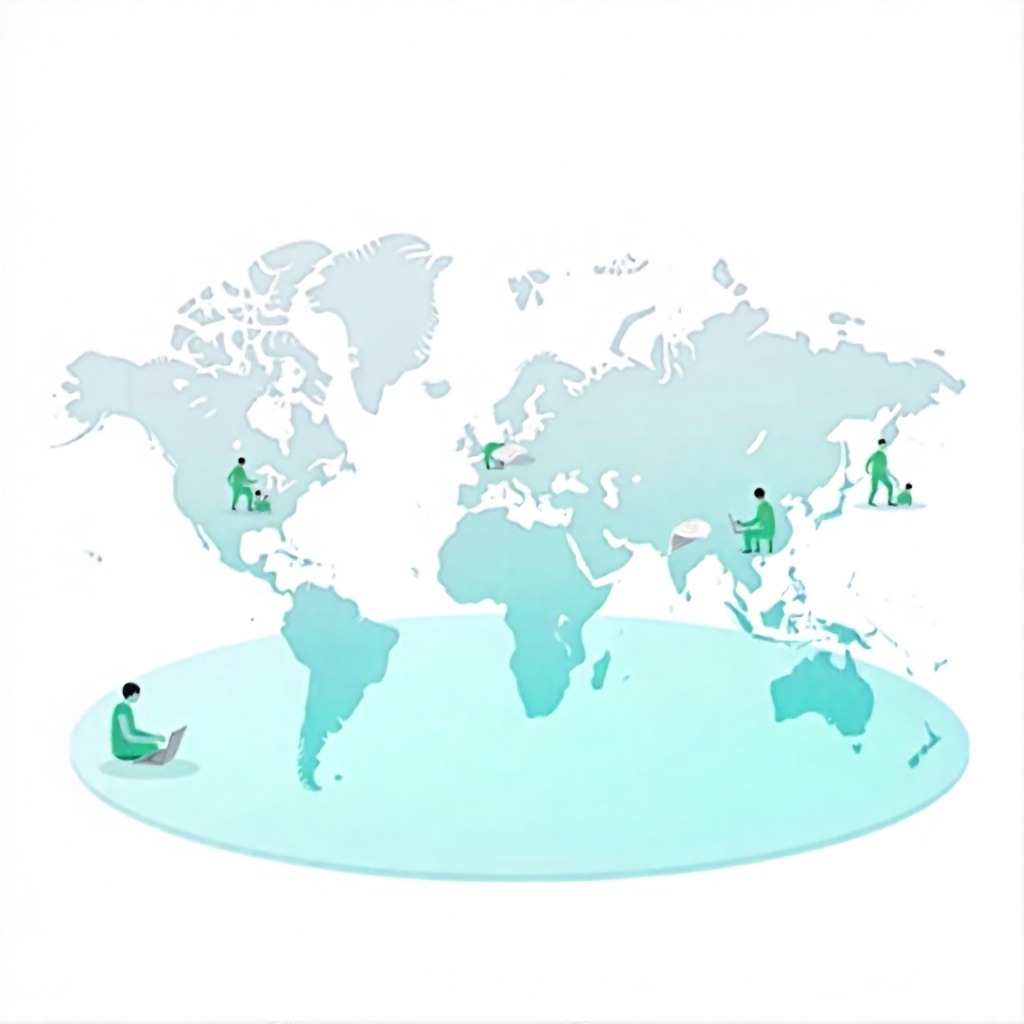
A Global Capability Centre has the potential to fundamentally change how your organization operates — unlocking access to deep talent, building round-the-clock delivery capability, and creating a centre of excellence that drives long-term competitive advantage.

But getting there requires more than choosing a location and hiring people. It requires the right strategy, the right structure, and a clear plan for how the centre will evolve and create value over time.

We’ve helped organizations across industries establish and transform GCCs from greenfield setups to the reinvention of existing captive centres. Our team brings end-to-end expertise across every phase of the journey, so you move faster, avoid costly missteps, and build a centre that delivers from day one.

Whether you’re exploring whether a GCC is right for your business, already committed and planning your setup, or looking to transform an existing centre into something more strategic we have the experience to guide you.

What we help you with:

  • Feasibility assessment and business case development
  • Location strategy and city/country selection
  • Legal entity setup and regulatory compliance
  • Talent strategy, workforce planning, and hiring support
  • Workplace setup and technology infrastructure advisory
  • Process migration and knowledge transfer
  • Governance design and operating model for the centre
  • Transforming existing captive centres into strategic GCCs
Categories
Services

HR, Payroll & Employer of Record (EOR) Services

Hire Anywhere. Stay Compliant. Focus on Your Business.

We handle the complexity of international HR, payroll, and employment compliance so you can build and manage your global workforce with confidence.

Expanding into a new market or building a distributed team shouldn’t require months of legal setup and compliance groundwork. Yet for most organizations, navigating local employment laws, payroll regulations, and statutory requirements across countries is exactly what slows them down.

We remove that friction.

As your Employer of Record, we legally employ your workforce in-country on your behalf managing all employment obligations including payroll, statutory deductions, benefits, and regulatory filings while you retain full control of your team’s work and direction. You get the talent and the capability; we handle everything else.

Beyond EOR, we provide end-to-end HR and payroll managed services for organizations that want a reliable, expert partner to run their people operations whether across one country or many.

Our services are particularly well-suited for companies building GCCs or shared services teams, organizations entering new geographies before establishing a legal entity, and businesses that want to professionalise their HR and payroll operations without building an in-house function.

What we help you with:

  • Employer of Record (EOR) services across multiple countries
  • Payroll processing, compliance, and statutory reporting
  • Employee onboarding, lifecycle management, and offboarding
  • Benefits administration and statutory compliance
  • HR policy design aligned to local regulations
  • Leave, attendance, and workforce administration
  • Payroll audits and reconciliation
  • Contractor management and PEO services
Categories
Services

Managed Business Services

We Run the Operations. You Focus on the Strategy.


Our Managed Business Services give you access to expert-led, process-driven operations delivered under clear accountability, defined SLAs, and a commitment to continuous improvement.

There are functions in every organization that are critical to the business but not at the core of what you do. They demand time, resources, and management attention often at the cost of the strategic work that actually drives growth.

That’s where we come in.

We take ownership of your business-critical but non-core processes, running them with the discipline, expertise, and consistency of a dedicated delivery organization. We are not a vendor you hand tasks to we are a partner you hold accountable for outcomes.

From finance and accounting to HR operations, procurement, back-office processes, and reporting, we operate as a seamless extension of your team. We embed ourselves in your processes and systems, align to your standards, and deliver with the quality and reliability you could expect from your best internal teams.

Our model is built on transparency. You get clear SLAs, regular performance reporting, and a governance structure that keeps you in control without the operational burden.

What we help you with:

  • Finance & Accounting operations AP, AR, General Ledger, and reporting
  • HR managed services hire-to-retire process management
  • Procurement and vendor management
  • Customer operations and back-office process management
  • Data management, reporting, and analytics support
  • Compliance and regulatory reporting
  • Process documentation, SOPs, and quality assurance
  • Transition management and knowledge transfer
Categories
Blog

How Global Business Services (GBS) Consulting Is Transforming Modern Enterprises

The reality is that the world today is one of constant change. The desire to grow and expand across geographies, new workforce models, rapidly advancing technologies, and increasing cost pressures has dramatically altered the way in which businesses operate. The models of the past, which fueled growth, are now struggling to cope with the challenges of complexity.

Silos hinder decision-making. Processes are inefficient when fragmented. The lack of connectivity between systems clouds visibility.

Organizations are increasingly looking to Global Business Services (GBS) — not as a means to improve efficiency, but as a way to address the challenges of complexity and scale.

The problem is not in understanding the concept of GBS, but in executing it.

The Pressure on Traditional Operating Models

For many companies, the legacy architecture was designed based on functional independence. Finance, HR, IT, procurement, and operations developed in their own way with their own processes, technology, and governance models. While this approach provided independence, it also led to redundancy, inconsistencies, and inefficiencies.

However, as the business grows, these inefficiencies multiply.

What started as a manageable situation soon becomes a bottleneck in business agility, cost management, and decision-making. Companies are optimizing their functions but struggling to align enterprise-wide.

This is where Global Business Services becomes more and more relevant.

Global Business Services: A Structural Response to Complexity

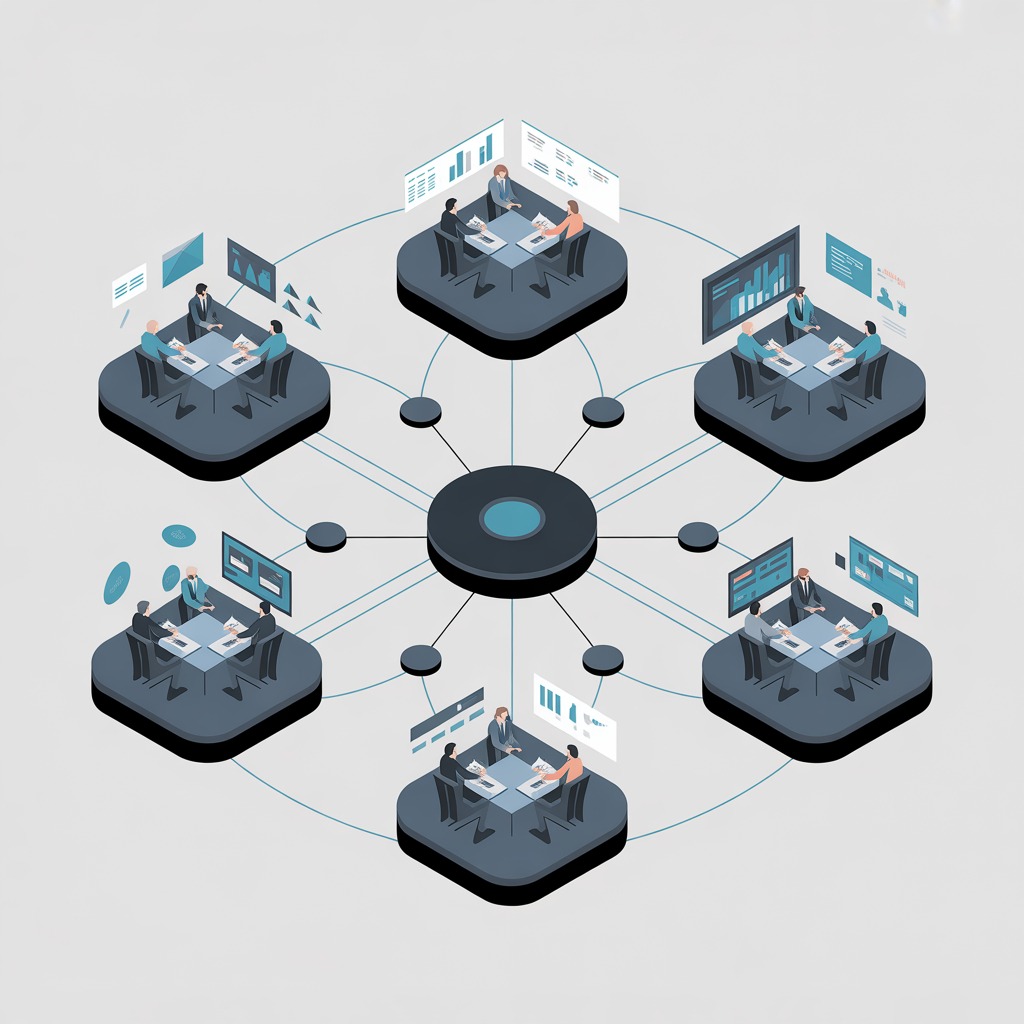
GBS signifies a paradigm shift from functional optimization to enterprise integration. Instead of dealing with services in a siloed manner, enterprises create integrated frameworks that aim to standardize processes, integrate technology, and govern functions and geographies together.

The goal is not mere consolidation.

The goal is cohesion.

But creating such a framework is not always an easy task. Each enterprise has its own set of operational realities, cultural nuances, and technological environments. What may work for one enterprise may not necessarily work for another.

And that is where the role of consulting becomes so important.

Why GBS Consulting Has Become Essential

The adoption of GBS is more about transformation discipline and less about structural change. Businesses are not only centralizing operations; they are transforming business processes, redefining accountability, and restructuring service delivery models.

Without structured guidance, these efforts can stall or result in disjointed results.

Aligning the Operating Model with Business Strategy

One of the most common pitfalls in GBS transformation is treating it as a template-driven exercise. In reality, an effective GBS framework must align with the organization’s broader strategy, functional maturity, and growth objectives.

Consulting ensures that GBS is designed with intent rather than imposed as a generic structure.

This alignment is what converts GBS from an efficiency mechanism into a strategic enabler.

Preventing Fragmented Transformation Efforts

The initiatives of GBS have impacts on various levels of the business, such as processes, governance, technology, and performance. When these factors change independently, it may create new inefficiencies instead of removing the existing ones.

The concept of GBS consulting brings a unified approach to the methodology of transformation.

The Expanding Value Proposition of GBS

Though cost efficiency is the starting point for the discussion on GBS, the benefits are much more than just cost efficiency.

Standardized processes lead to better consistency and compliance. Integrated systems lead to better visibility and decision-making. Unified governance structures lead to better control and scalability.

Most importantly, organizations become agile.

In today’s business environment, where adaptability is the hallmark of competitiveness, GBS is no longer an operational change but an architectural advantage.

Technology’s Role in GBS Transformation

Technology is undoubtedly the key to the success of GBS. Automation, analytics, and smart workflows have the potential to change the nature of service delivery from transactional to analytical.

However, technology by itself does not lead to transformation.

Process Before Automation

Technology layered on inefficient processes can, in fact, increase complexity rather than simplify it. The key to success lies in the reverse order – process design driving technology, and not the other way around.

Consulting helps ensure that automation is a force for good and not a cause for disruption.

Building Data-Driven Service Environments

One of the most significant and strong benefits of GBS is the availability of quality data in a centralized manner. This is because integrated systems provide better insights that improve forecasting, monitoring, and decision-making.

GBS consulting services assist businesses in developing analytics capabilities that work in favor of their business.

Managing the Human Dimension of Transformation

The transformation of GBS is not merely operational or technological in nature. It is highly organizational in nature.

New business processes change roles. Changes in governance redefine accountability. New service models change interactions.

Therefore, resistance is expected.

Change as an Organizational Journey

The transformation of GBS is not merely operational or technological in nature. It is highly organizational in nature.

New business processes change roles. Changes in governance redefine accountability. New service models change interactions.

Therefore, resistance is expected.

Preserving Experience While Driving Efficiency

Centralization should not come at the expense of responsiveness or service quality. A successful GBS strategy must strike a balance between size and experience, efficiency and accessibility, and standardization and usability.

The consulting industry has a critical role to play in this.

Why GBS Consulting Is Now a Strategic Imperative

The increasing need for GBS consulting is a result of a very simple truth that:

The interconnectivity and impact of enterprise transformation have become too complex to be dealt with in a generic way.

Organizations are no longer changing their operational structures.

They are changing the way value moves through the enterprise.

GBS Consulting is the key to achieving the necessary clarity and alignment to turn strategic vision into tangible results.

How Aidosol Supports Global Business Services Transformation

Creating and executing an efficient GBS framework is not a consolidation play. It is a lot more than that.

Aidosol collaborates with organizations to create GBS ecosystems that can strike a balance between efficiency and agility, scalability and service, technology and human experience.

It is not just an operational transformation.

It is an enterprise transformation.

Final Thoughts

Global Business Services is transforming the way in which organizations deal with complexity, scale, and provide internal business services. But the success of GBS projects is never left to chance.

It is designed.

In a world of constant change and increasing business demands, Global Business Services (GBS) Consulting has become more than just useful. It has become absolutely necessary.

Because in today’s business world, competitive differentiation is no longer created inside functions.

It is created across the enterprise.

Categories
Blog

7 Signs Your Company Needs a Shared Services Transformation

As organizations grow, operational complexity increases across functions such as HR, finance, payroll, and procurement. Many companies are now exploring shared services transformation to centralize operations, standardize processes, and improve efficiency.

This is where shared services transformation becomes an important strategic initiative. By centralizing operations, standardizing processes, and leveraging technology, organizations can improve efficiency, enhance service delivery, and create a scalable operating model.

However, many companies do not realize when it is the right time to transform their operating model. Below are seven clear signs that your organization may benefit from a shared services transformation.

1. Processes Are Fragmented Across Departments

If different departments or regions follow completely different processes for similar activities, it often leads to inefficiencies and confusion. For example, HR operations, finance processing, or procurement workflows may be handled differently across teams.

A shared services model helps organizations standardize processes and create a consistent operational framework across the enterprise.

2. Operational Costs Are Continuously Increasing

Many organizations experience rising operational costs as they scale. Maintaining separate teams, duplicate roles, and inconsistent processes often leads to unnecessary overhead.

Shared services transformation helps companies consolidate operations, eliminate duplication, and improve cost efficiency.

3.Your Organization Needs a Shared Services Transformation to Improve Visibility

Without standardized systems and centralized processes, leadership teams often struggle to gain visibility into operational performance.  Shared services environments allow companies to implement dashboards, reporting frameworks, and performance metrics, enabling better decision-making.

4. Teams Spend Too Much Time on Manual Work

Manual data entry, spreadsheets, and disconnected systems are still common in many organizations. These inefficiencies consume valuable time and reduce productivity.

A shared services transformation typically includes automation and digital workflow tools that reduce manual work and improve process efficiency.

5. Inconsistent Employee or Customer Experience

When processes vary across departments or regions, the experience for employees and customers often becomes inconsistent.

Centralized shared services help organizations deliver standardized and reliable service experiences across the business.

6. Difficulty Scaling Operations

As companies expand into new markets or business units, operational complexity increases significantly.

Shared services provide a scalable operating model, enabling organizations to support growth without proportionally increasing operational costs.

7. Leadership Is Focused on Strategic Transformation

Many organizations today are pursuing digital transformation, operational excellence, and global expansion. In these situations, fragmented operational models can slow down progress.

Shared services transformation helps align operational capabilities with broader strategic goals.

Companies that invest in shared services often experience improved operational efficiency, stronger governance, and better visibility into performance.

As organizations continue to evolve, adopting a shared services model can play a key role in building a resilient and future-ready enterprise.

According to industry research from Deloitte, many organizations are adopting shared services models to improve efficiency and governance.

Categories
Blog

Transition Management: Lessons from BOT Transfers

Why Transition Management Matters

Transition management ensures that the transfer from the partner to the client organization happens smoothly.

Without proper transition planning, organizations may face challenges such as:

  • Loss of operational knowledge
  • Service disruption during handover
  • Confusion around roles and responsibilities
  • Declining service quality during the transition period

A well-managed transition protects business continuity while giving the client team the confidence to take full ownership.

Lesson 1: Knowledge Transfer Must Be Continuous

One of the biggest risks during BOT transfers is knowledge leaving with the partner.

Successful transitions focus on continuous knowledge transfer, not last-minute documentation. This includes structured training sessions, shadowing programs, and clearly documented workflows.

When knowledge is embedded within the internal teams, the organization becomes capable of running operations independently.

Lesson 2: Governance Should Be Established Early

Strong governance frameworks should be introduced during the operate phase, not only during the transfer.

This includes:

  • Clearly defined service ownership
  • Performance dashboards and reporting structures
  • Escalation paths for operational issues
  • Regular service review meetings

When governance structures are already functioning before the transfer, the transition becomes much smoother.

Lesson 3: Culture and Mindset Need Time to Shift

A BOT model does more than transfer processes. It also introduces a new operating mindset.

During the transition period, teams must adapt to:

  • Shared accountability for service delivery
  • Standardized processes across locations
  • Data-driven decision making

Transition management should therefore include change management activities to support this cultural shift.

Lesson 4: Operational Stability Comes Before Speed

Many organizations focus on completing the transfer quickly. However, speed should never compromise stability.

The most successful BOT transitions prioritize:

  • Stable service levels
  • Clear operational ownership
  • Confidence within internal teams

A slightly longer transition period is often worthwhile if it ensures long-term operational success.

Conclusion

The success of a BOT engagement is ultimately measured during the transfer phase. This is the moment when the organization must demonstrate that the new operating model can function independently.

Effective BOT transition management ensures that knowledge, governance, and operational stability are firmly in place before the final handover.

When handled correctly, the transfer phase transforms a BOT engagement from a temporary partnership into a sustainable long-term capability for the enterprise.